How to plan a garden path or walkway in Adelaide
A well planned path can change the whole feel of a backyard. It links the back door to the alfresco, guides you through garden beds, and turns a patch of grass and dirt into something that looks finished. The right materials also handle Adelaide weather without fuss, from those long dry summers to the odd downpour in winter.
At Playford Pavers, we are a family owned South Australian supplier based in Salisbury North. We have been helping locals plan garden paths Adelaide homeowners can be proud of for years, with honest advice, locally made products, and a wide range of options to suit different budgets. Here is how to think through your next project, from the first sketch to the finished walkway.
Why pave your garden paths and walkways
Loose stone and bare earth might do the job for a while, but a paved path holds up far better over time. There are a few good reasons to upgrade.
Practical access
A solid surface stops mud after rain, keeps shoes clean, and gives you somewhere safe to walk when carrying tools, washing, or a tray of drinks out to the alfresco. It also makes the yard easier to use for older family members and kids.
Visual flow
Paths connect different areas of a yard so the whole space feels considered. A walkway from the back door to a herb garden, then on to the shed, ties the layout together and gives the eye something to follow.
Property value
Quality outdoor finishes are one of the first things buyers notice. A neat, well laid path signals that the rest of the property has been looked after, and adds genuine kerb appeal at the back of the house too.
Best materials for garden path pavers in Adelaide
Material choice comes down to the look you want, your budget, and how much foot traffic the path will see. These are the most popular options for garden path pavers Adelaide homeowners reach for, and what each one is best suited to.
Concrete pavers
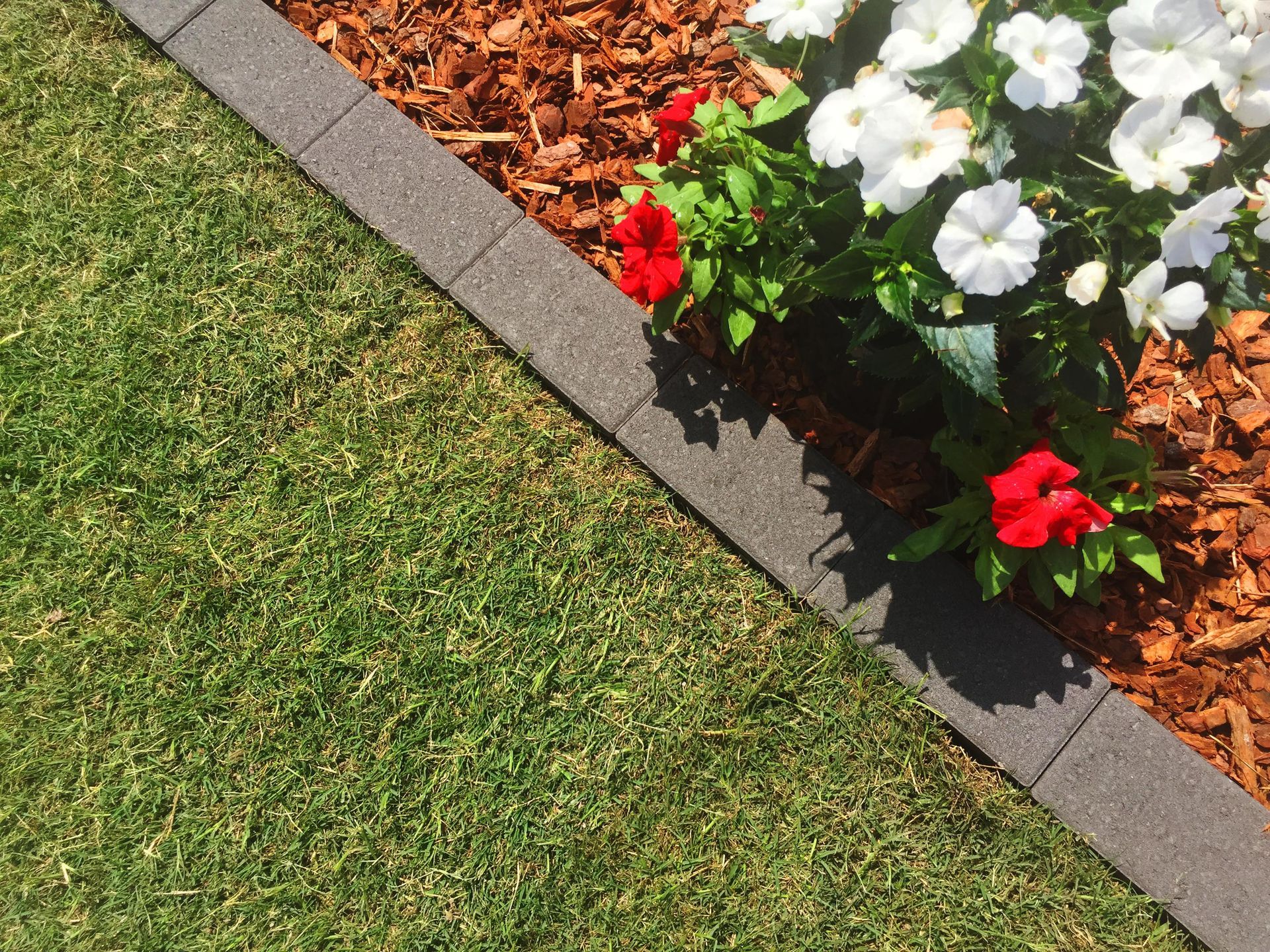
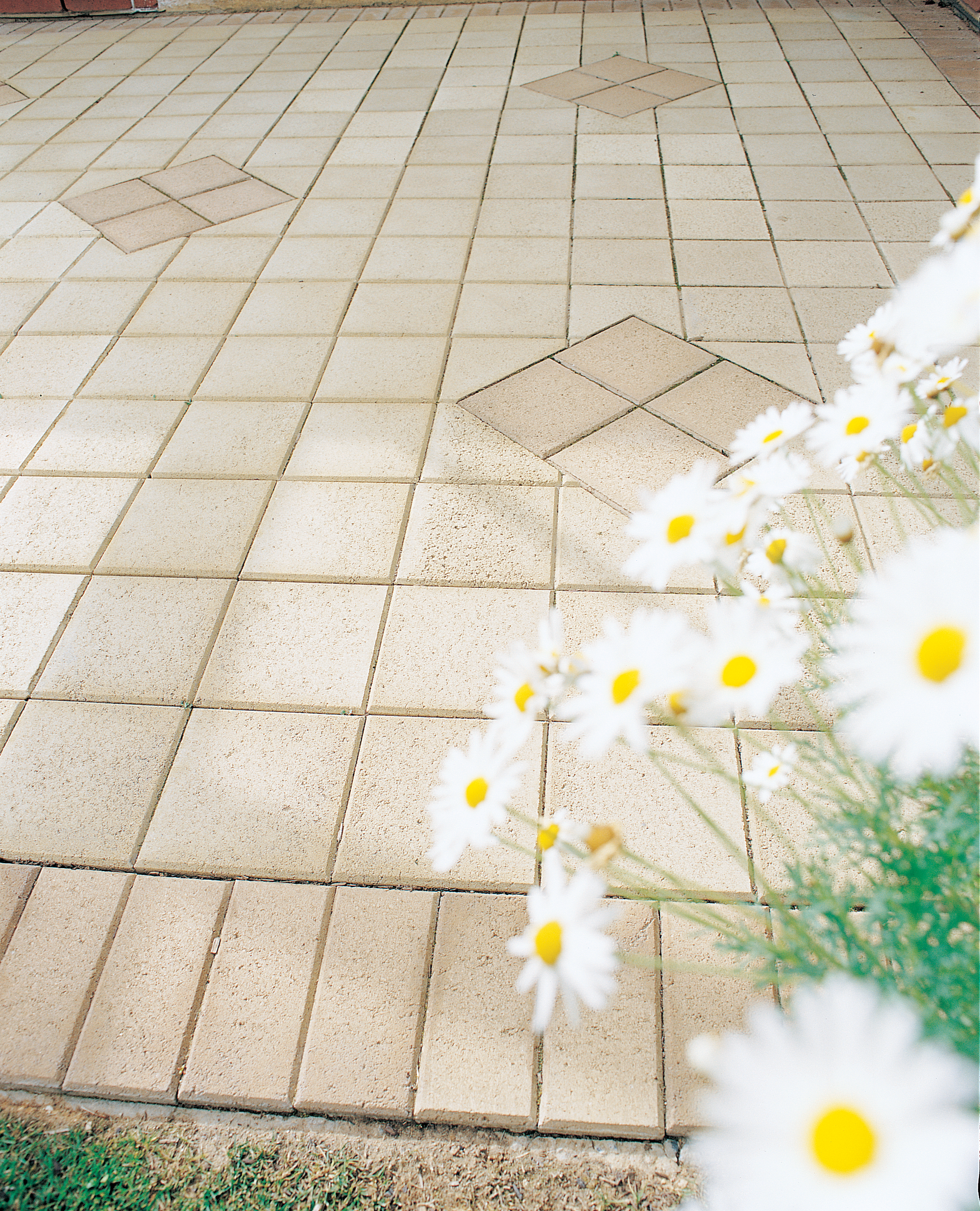
Concrete pavers are the most affordable and versatile option. They come in heaps of shapes, sizes, colours, and finishes, so you can match them to almost any home style. Durable, low maintenance, and easy to source, they suit straight runs, curved paths, and stepping stone layouts equally well.
Crazy paving and natural stone
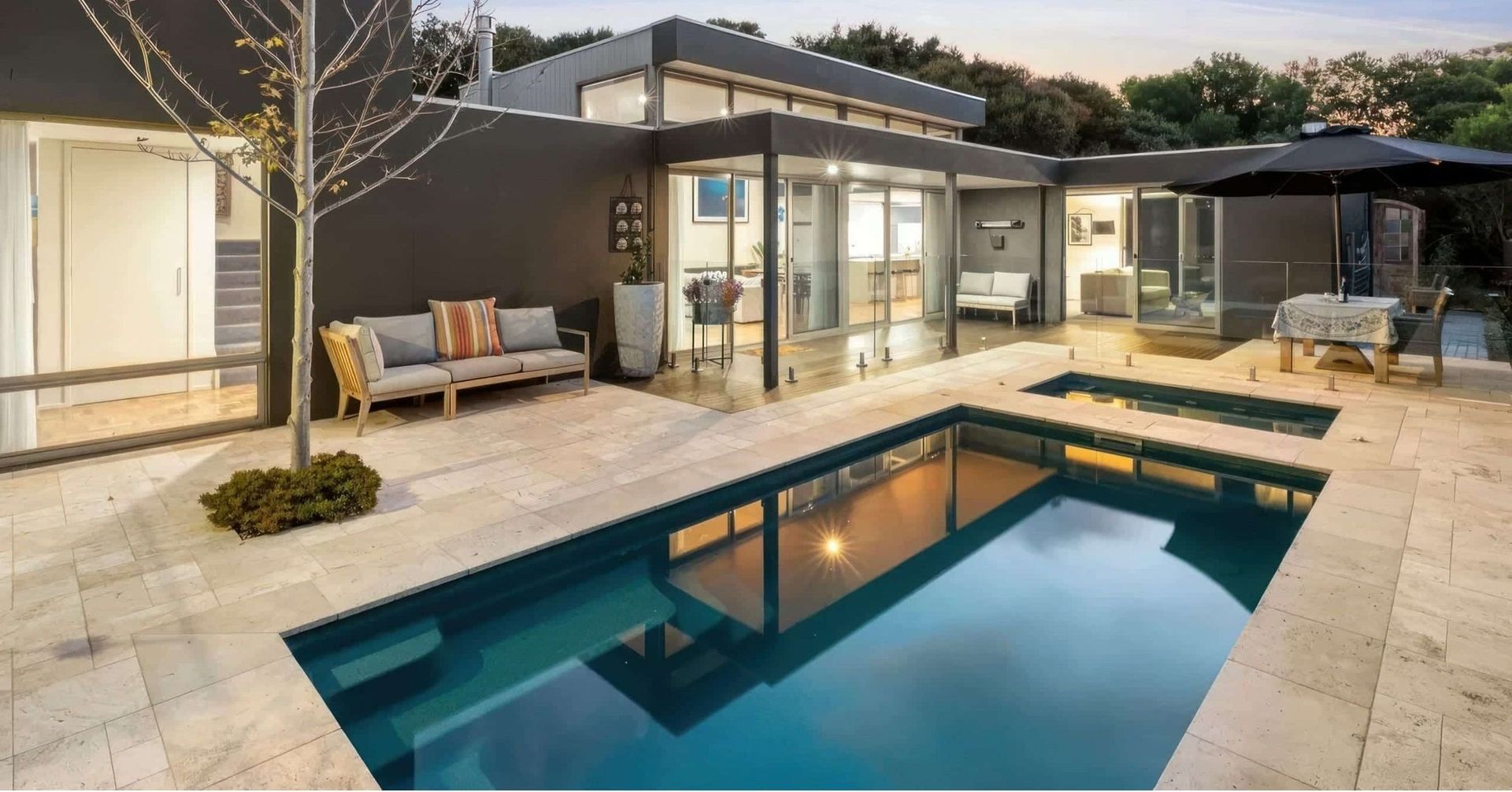
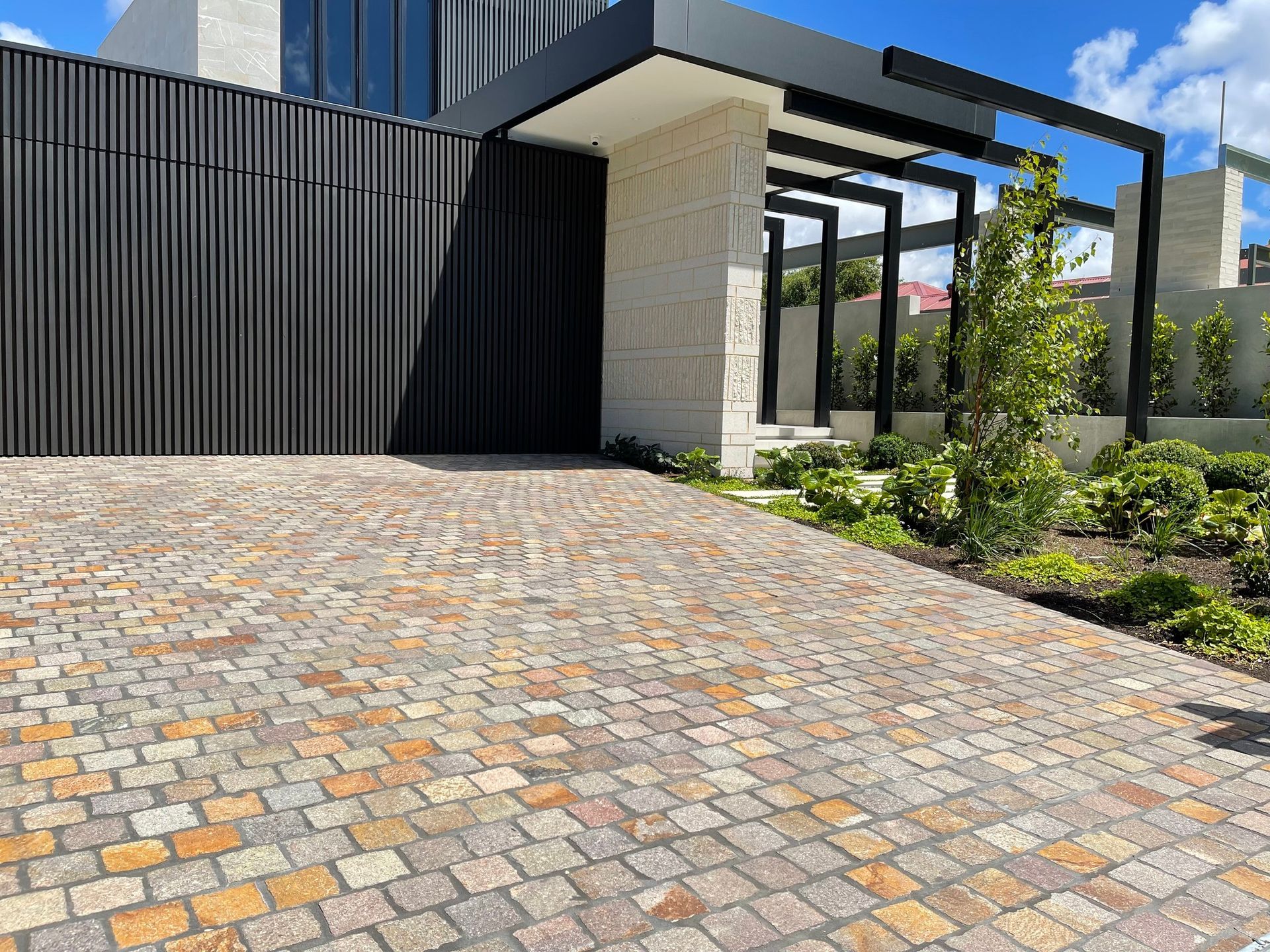
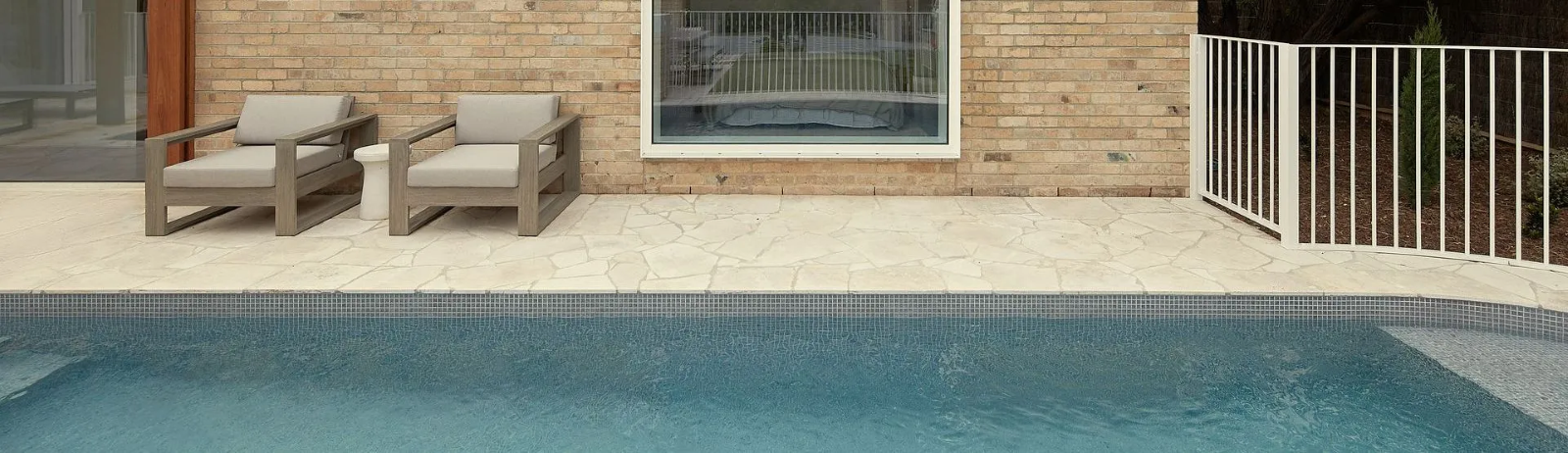
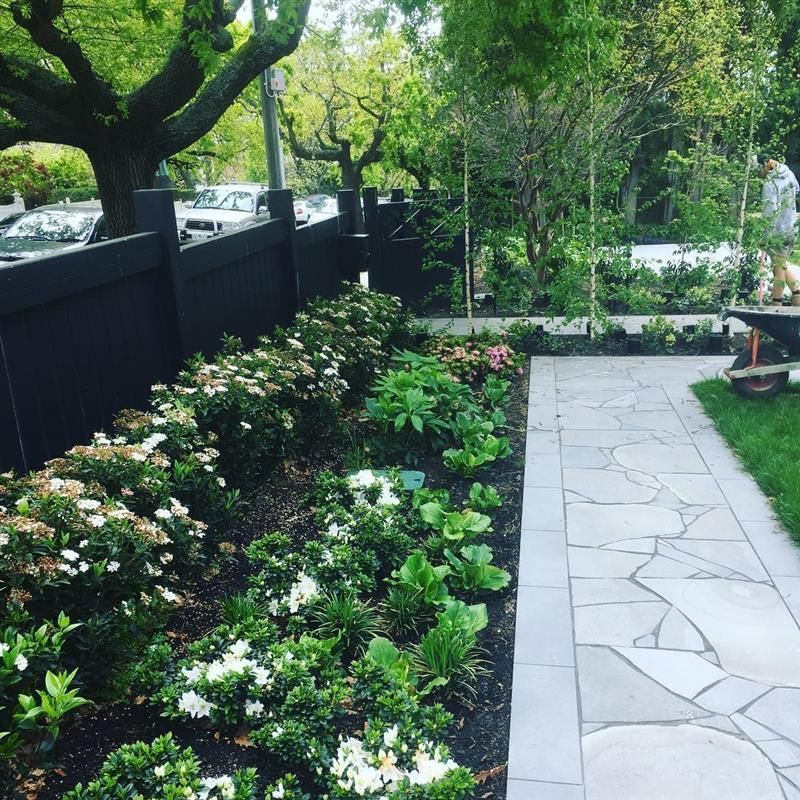
For a more organic, garden inspired look, crazy pavers or natural stone are tough to beat. The irregular shapes of crazy paving create a free flowing pattern that works beautifully through cottage gardens, around feature trees, or along curved meandering paths. Stones like Ocean Stone and Flash Quartz add real character.
Brick and clay pavers
If your home has a traditional or heritage feel, clay pavers or brick pavers lean into that warm, classic look. They hold colour well, age gracefully, and pair nicely with cottage style planting and timber edging.
Stepping stones
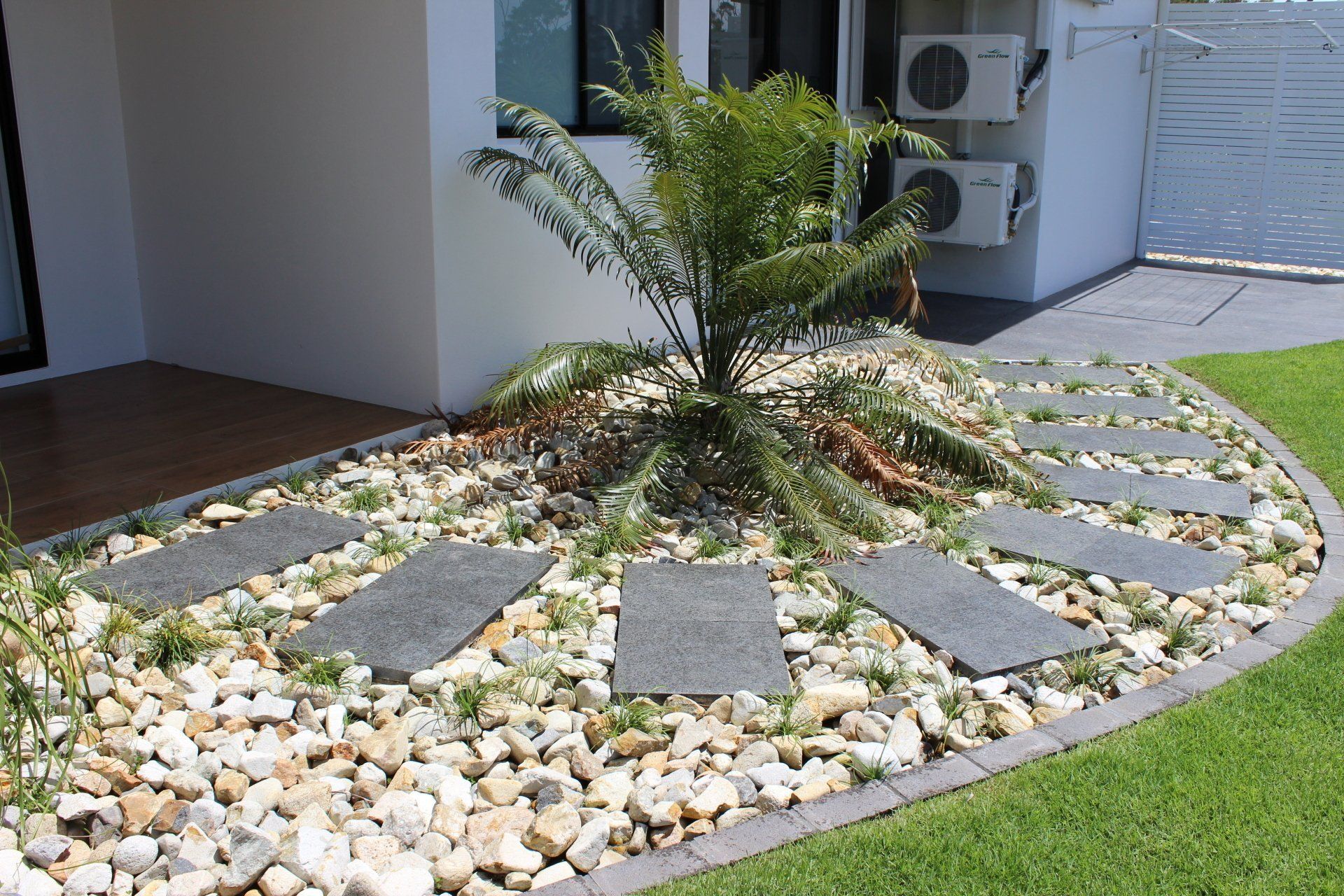
For a casual path through a lawn or garden bed, stepping stones give you the look of a winding walkway without paving the whole strip. They are quick to lay, budget friendly, and work brilliantly between turf, mulch, or pebble.
Permeable pavers
Adelaide gardens get hit with the full range of weather, and drainage matters. Permeable pavers let water filter through to the soil below, helping reduce runoff and keeping pathways from pooling after rain. A smart pick for low lying yards or anywhere near garden beds.
Designing a path that works for your yard
Good paths feel inevitable. They take you where you want to go, at a comfortable width, in a way that suits the rest of the garden. A few things to plan before you start.
Straight or curved
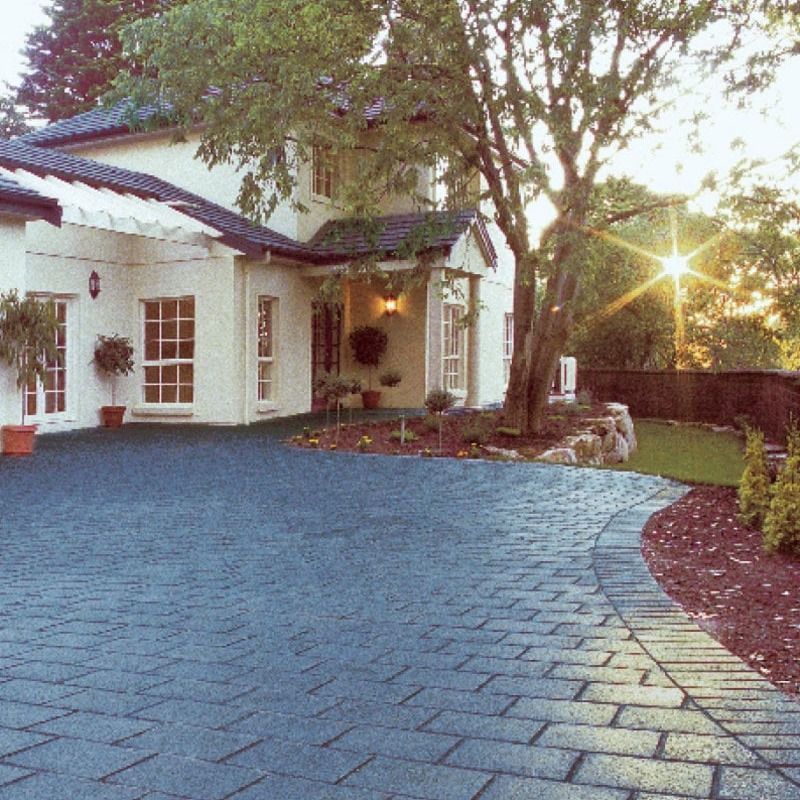
Straight paths suit modern homes and formal gardens. They look intentional, clean, and architectural. Curved paths feel softer and more natural, and work especially well in cottage style or coastal gardens where you want the eye to wander. Think about the shape of your yard and your home before you decide.
Path width
A single person path needs around 600 to 750mm. For two people walking side by side, aim for 1200mm. If you push a wheelbarrow through regularly, 900mm is a comfortable minimum. Garden bed borders can be narrower, around 450mm, but only if foot traffic is light.
Connecting zones
Map out where the path needs to go before you order materials. Common runs include the back door to the alfresco, the side gate to the bin area, the lawn to the shed, and the patio to a herb or veggie garden. Mark the route with a hose or a line of stakes so you can walk it before you commit.
DIY versus supply and install
A small stepping stone path through a lawn is a fair weekend project for most handy homeowners. Once you start dealing with longer runs, slopes, drainage, or load bearing surfaces, the job gets technical fast. Poorly prepared base layers are the number one reason paths shift, sink, or lift over time.
We can supply pavers for a DIY project, or take care of the full job from layout advice to the finished walkway, so you can pick the option that suits your skills and timeline. If you want a stress free finish, our landscaping services team can help with the whole project, from material selection to the final sweep of jointing sand.
Keeping your paths looking good
Paved paths are low maintenance, but a little care keeps them looking sharp for decades.
- Sweep regularly to clear leaves, dirt, and grit
- Hose down occasionally, or pressure wash gently for stubborn marks
- Lift weeds from joints early before they take hold, then top up with jointing sand
- Apply a quality sealer every few years on natural stone or porous pavers to protect against staining and weathering
We stock a range of sealers alongside our paving products, so you can pick up everything you need in one trip to the showroom.
Bring your garden path plan to Playford Pavers
Choosing the right pavers is easier when you can see, touch, and compare them in person. Visit our Salisbury North showroom to browse the full range, ask questions, and grab samples. Our team has more than 20 years of combined experience and we genuinely enjoy helping locals get their projects right the first time.
You can also browse our paving range online, check out our current clearance specials, or read our guide on how to choose the right paver style for your home for more inspiration. Call us on 08 7092 5984 for a free, no obligation quote.
Open: Monday to Friday 8am to 4pm, Saturday 9am to 3pm.
Frequently Asked Questions
What is the best material for a garden path in Adelaide?
It depends on the look and budget. Concrete pavers are the most popular all rounder for value and versatility, while crazy paving and natural stone suit gardens with a more relaxed, organic feel. Stepping stones are a quick and affordable option for paths through lawn or mulch.
How wide should a garden path be?
Around 600 to 750mm works for a single person path. Aim for 1200mm if two people will walk side by side, or 900mm if you wheel a barrow through regularly. Border paths through garden beds can sit closer to 450mm if traffic is light.
Are garden paths a DIY job?
Stepping stones and short straight runs are achievable for most handy homeowners. Longer paths, sloped sites, or anything that needs proper drainage are best left to the professionals to avoid issues with shifting, sinking, or pooling water.
How much do garden paths cost in Adelaide?
Costs vary based on the material, length, and site conditions. Concrete pavers and stepping stones sit at the budget friendly end, while natural stone and porcelain are at the premium end. Visit our showroom or call 08 8258 8945 for a guide based on your specific project. Our clearance specials are also worth a look if you are working to a tight budget.
Do I need to seal my garden path pavers?
Sealing is optional for concrete pavers but recommended for natural stone, porous pavers, and any path that gets stained easily. A quality sealer protects against weathering and makes ongoing cleaning easier. Re seal every few years for best results.
How long do paved garden paths last?
With a properly prepared base and quality pavers, a garden path can last 20 to 30 years or more. Lifespan comes down to base preparation, drainage, and the materials chosen, which is why we always recommend getting the foundations right from the start.