Natural Stone Pavers and Stone Pavers: What is the Difference?
You will hear "stone pavers" and "natural stone pavers" used interchangeably at most paving suppliers, and half the time they do mean the same thing. The other half, not even close. When you are looking at a significant investment in new paving, that distinction starts to matter quite a bit.
Marketing has made the whole thing murky. Walk into a showroom and you might see a concrete paver with a textured finish sitting under a sign that says "stone pavers" even though nothing about it came from a quarry. Next to it, actual travertine carries a "natural stone" label and costs twice as much. They are in the same aisle, but that is about all they have in common.
We get asked about this a lot, so here is our take on what the difference is between stone pavers and natural stone pavers and how to figure out which one makes sense for your project.
Natural Stone: Pulled From the Ground
Natural stone pavers started their life underground, sometimes millions of years ago. Quarries extract it, factories cut it into paver shapes, and that is about as much human involvement as there is. Nobody manufactures travertine or limestone. The earth already did that work.
Adelaide suppliers tend to stock a few main types, each with its own personality:
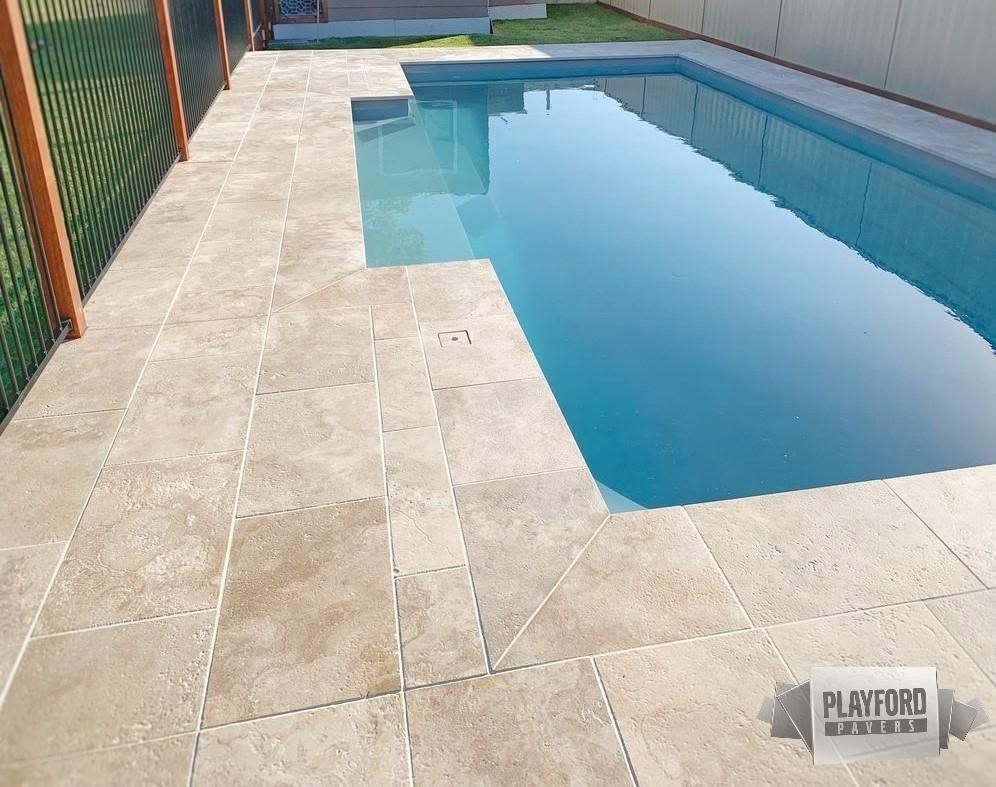
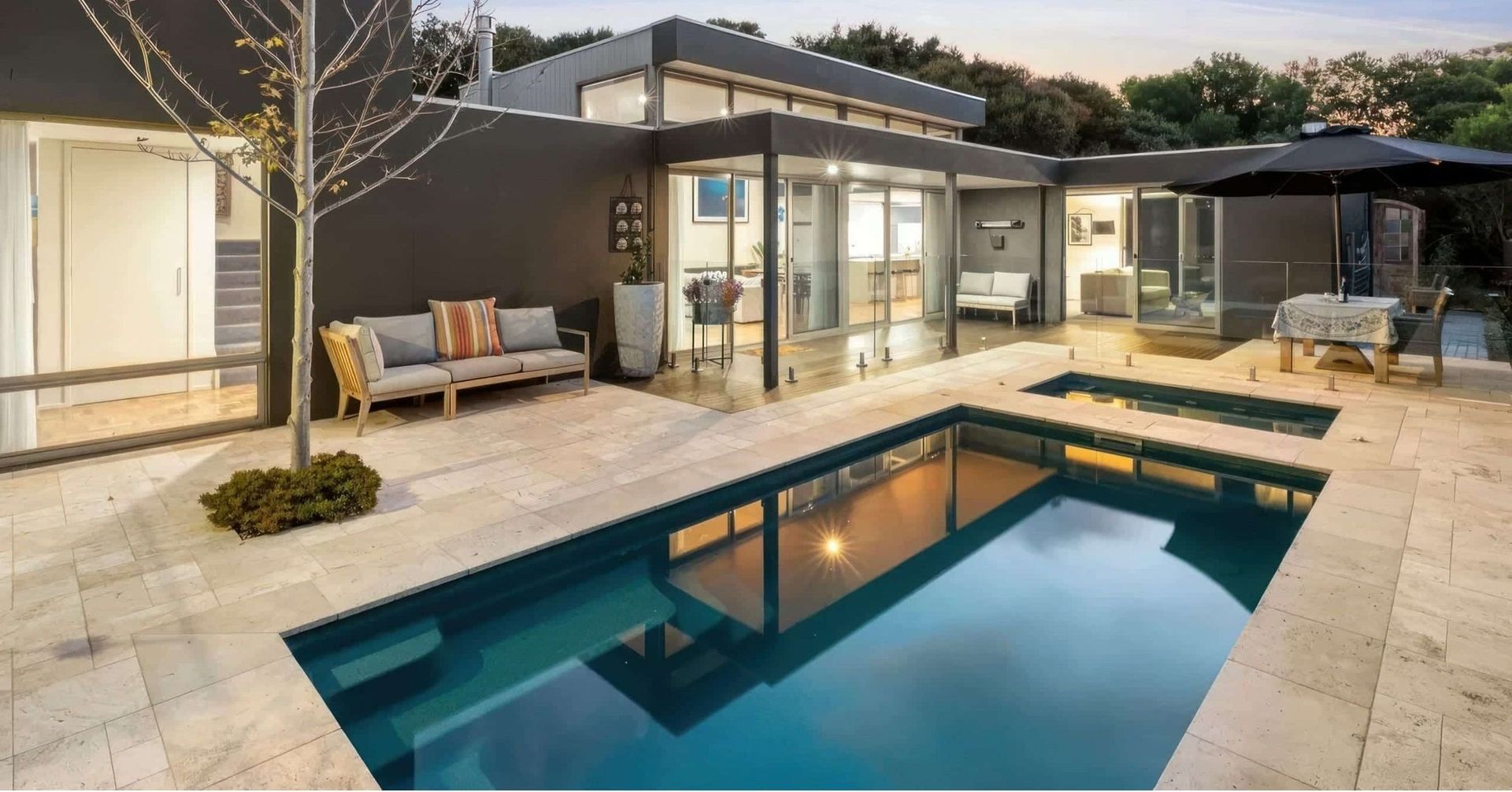
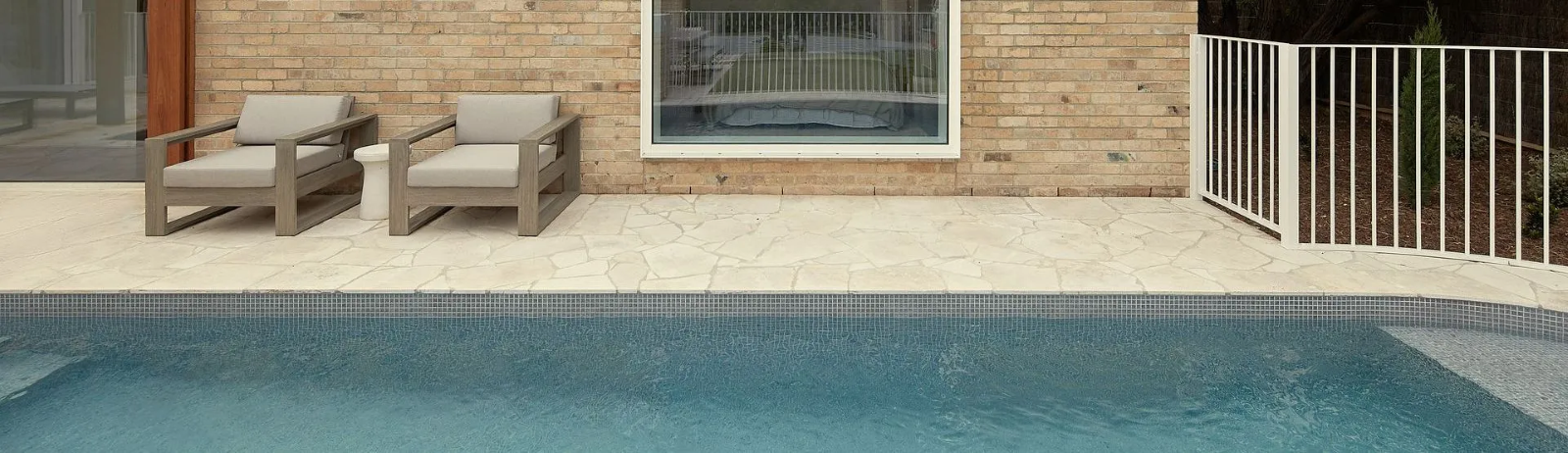
Travertine builds up around hot springs over thousands of years, which leaves it with those distinctive little pits and a surface that feels almost soft. Colours lean warm, mostly creams and honey tones, and it stays surprisingly cool even when the sun has been hammering down all afternoon. That cooling quality explains why you see so much of it around Adelaide pools. Our Silver Travertine and Desert Sand are popular picks.
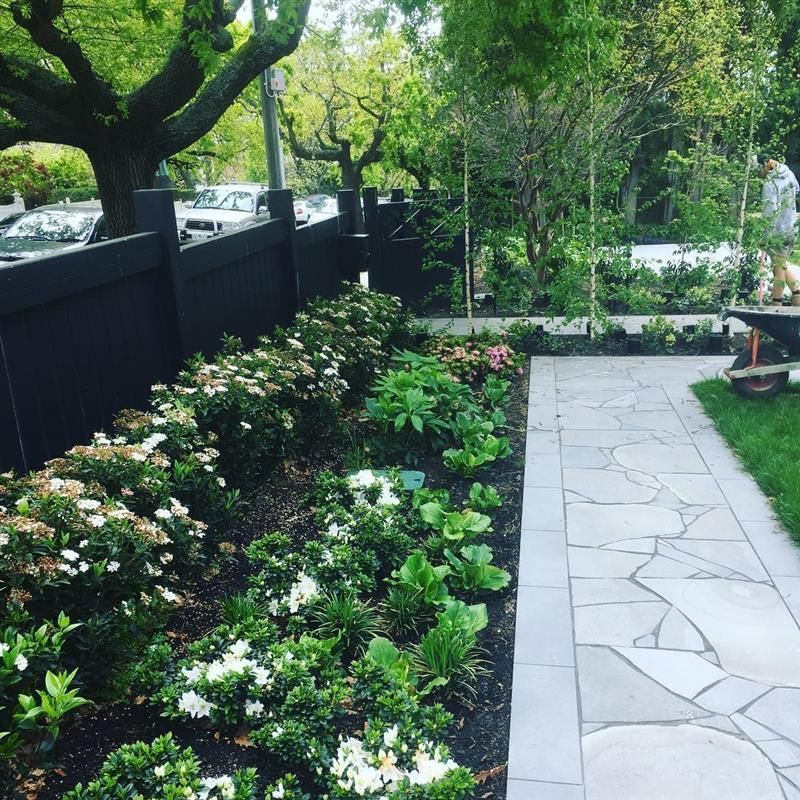
Limestone started out as shells and sediment on ancient seabeds, and some pieces still have visible fossils pressed into them. You can find it in creamy whites like Sand Dune, through to grey tones like Seasalt and Cirrus. People gravitate toward limestone when they want something refined but not too flashy, and it tends to look equally at home against a modern render or an older brick facade.
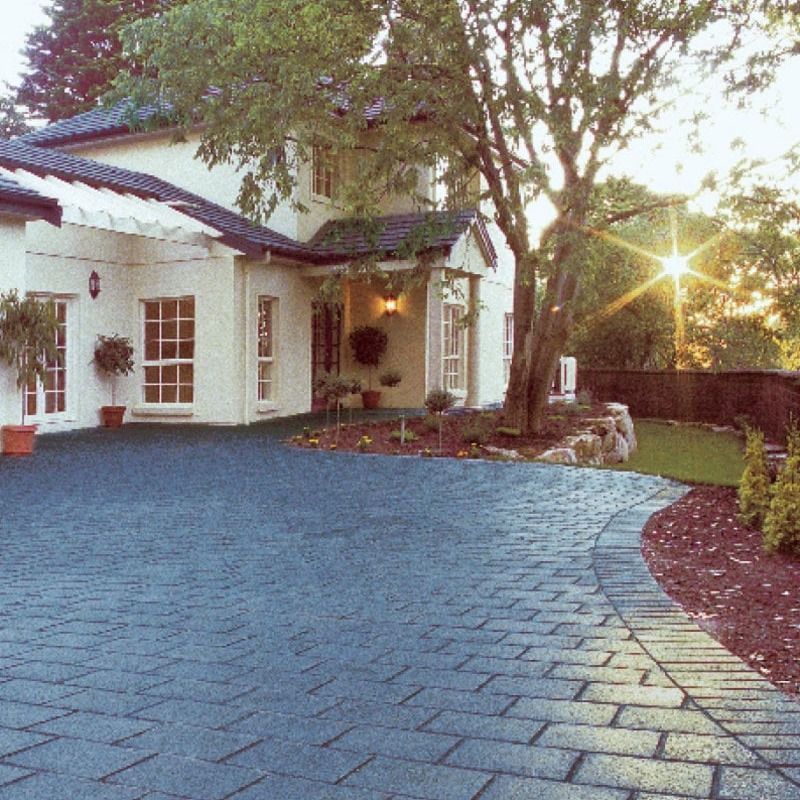
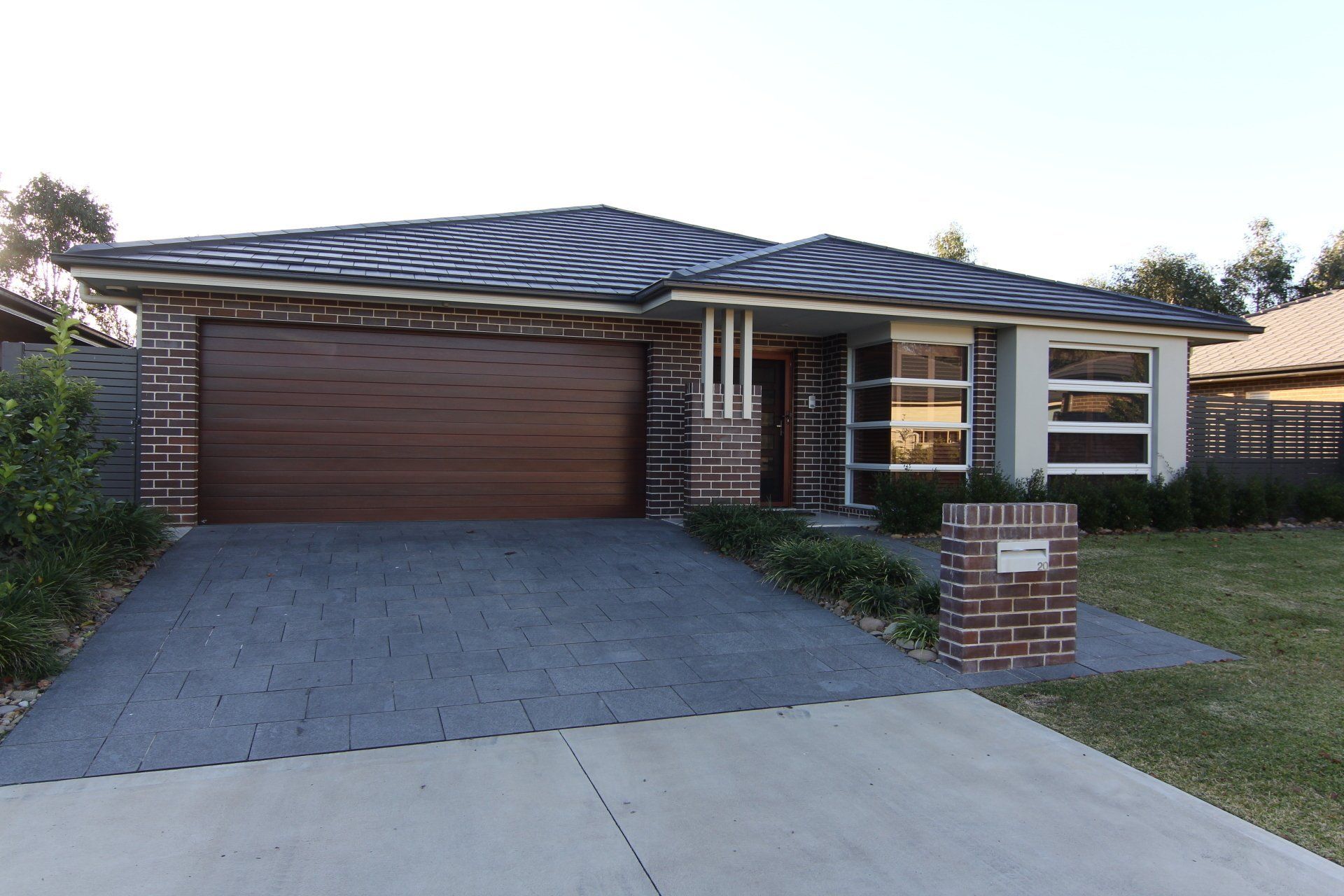
Bluestone comes from volcanic activity, which makes it dense and incredibly hard. The colour sits somewhere between charcoal and dark grey, and it shrugs off car traffic like it is nothing. Driveways and commercial areas tend to use a lot of bluestone because nothing else wears quite as well.
Sandstone brings warmer yellows and rusty reds to the table, with a gritty surface that grips well underfoot. Granite has that speckled, crystalline look and basically refuses to wear out. If you want something dramatic, Impala Black granite makes a statement.
Worth knowing: no two pieces of natural stone look exactly alike. Colour shifts between pavers, veining wanders in different directions, and the texture varies. Most people consider that part of the appeal. If you are someone who likes things uniform and predictable, it might drive you a bit crazy.
"Stone Pavers": The Term That Could Mean Anything
When a supplier or quote mentions "stone pavers" without the word natural in front, you need to ask what they actually mean. Sometimes they are talking about real quarried stone. More often, they mean manufactured products designed to look like stone, which includes concrete pavers with textured surfaces, porcelain tiles printed to mimic travertine, and reconstituted stone made from crusite and binding agents.
The technology behind these manufactured options has improved dramatically. We have concrete pavers in our showroom that people genuinely mistake for natural stone until they pick one up and feel the weight. Porcelain goes even further, using high-resolution digital printing to reproduce marble veining, limestone texture, and even timber grain. Because it all comes from a production line, every tile matches the next perfectly, which appeals to plenty of people.
None of this is meant to suggest manufactured pavers are somehow inferior. They just serve a different purpose. But when money is changing hands, you want to be certain about what you are paying for.
The Practical Differences
How they look and feel
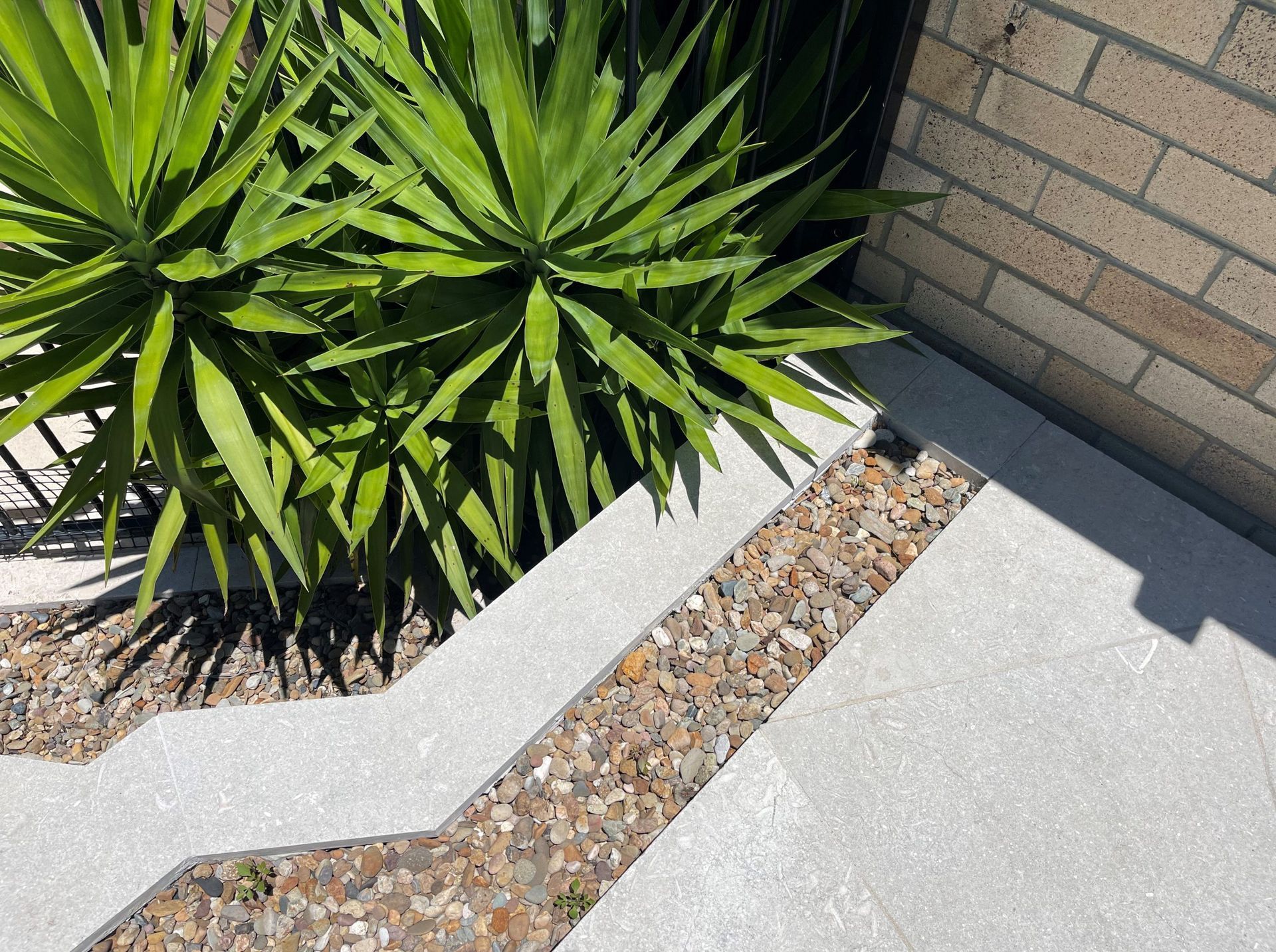
With natural stone, the colour goes all the way through. Cut it in half and the inside looks the same as the outside. This gives it a depth that manufactured products struggle to match, particularly in strong sunlight where you can sometimes tell that porcelain or concrete only has colour on the surface layer.
Touch tells you a lot too. Run your hand across travertine and you will feel the pits and undulations. Limestone has a dense, cool quality to it. Sandstone feels gritty. Manufactured products tend toward a more consistent, smoother surface, which some people actually prefer.
How long they last
Heritage buildings around the world are testament to natural stone's longevity. Properly maintained, it outlasts the people who laid it. The catch is that it can stain, scratch, and show wear over time. Softer types like limestone tend to mark up more noticeably than something like granite or bluestone.
Good quality concrete pavers hold up extremely well for residential use. They handle foot traffic, outdoor furniture, and the general wear that backyards dish out. Commercial grade porcelain goes a step further and resists staining almost completely, so when low maintenance is the goal, manufactured products have genuine advantages.
Upkeep
Sealing makes a real difference with natural stone, especially the porous types like travertine and limestone. A good sealer stops stains from setting in and makes cleaning easier. Plan on resealing every few years, more often if the area gets heavy sun or lots of foot traffic.
Porcelain barely needs thinking about. An occasional hose down keeps it looking fresh. Concrete falls somewhere between the two, with sealing being helpful but not essential for most backyard applications.
Price
Natural stone carries a premium because getting it out of the ground and shipping it across the world costs real money. The rarer or more heavily processed the stone (think honed granite or polished marble), the higher the price climbs.
Porcelain sits in the middle to upper range depending on quality. Budget concrete pavers cost the least by a comfortable margin. Keep an eye on our clearance section though, because natural stone sometimes lands at surprisingly accessible prices when we are moving stock.
When Natural Stone Makes Sense
Natural stone earns its price tag when longevity and character matter to you. Old travertine and limestone develop a patina over time that actually looks better with age, which manufactured products cannot really replicate.
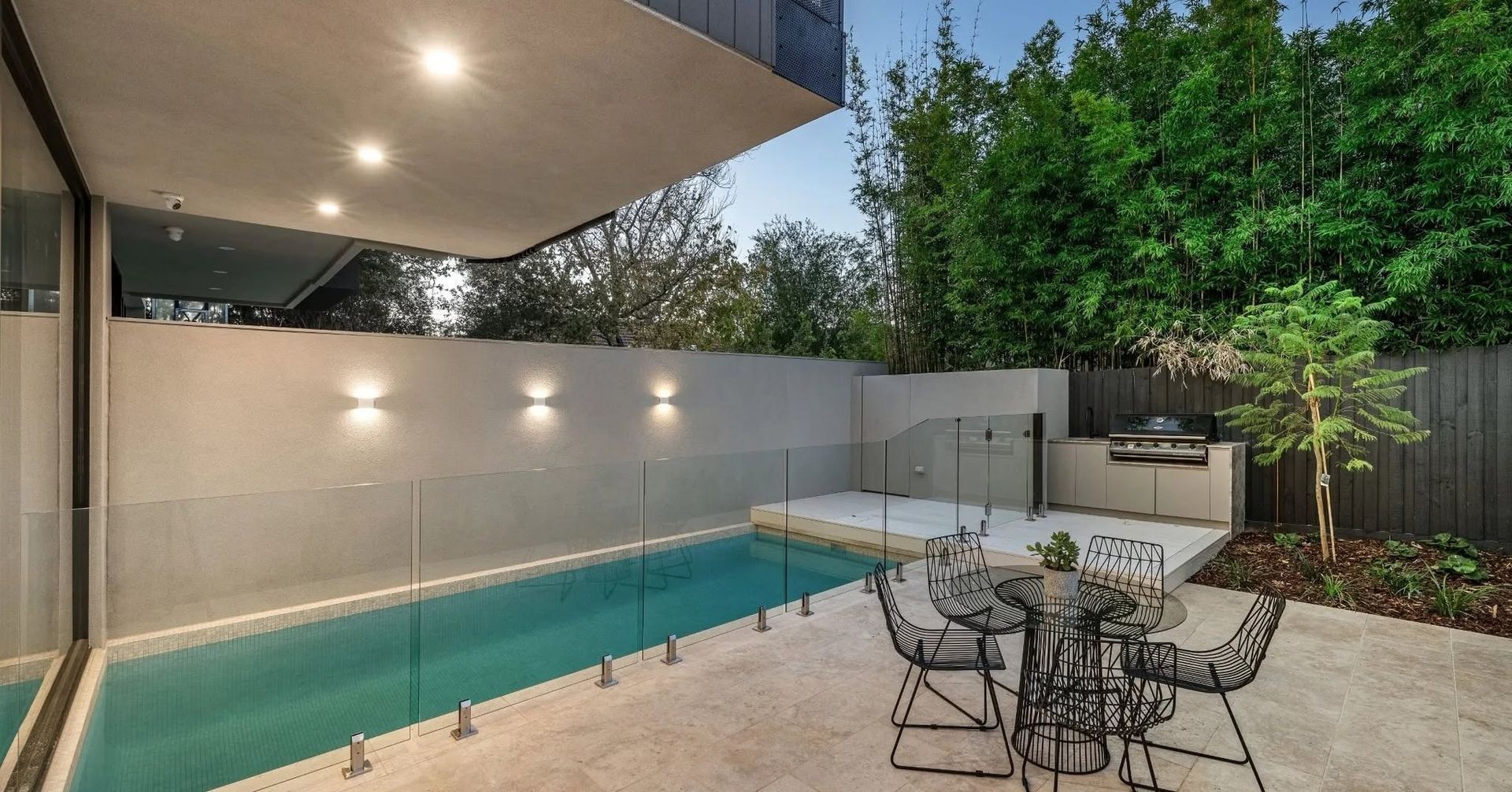
Around pools, the temperature difference becomes obvious on hot days. Natural stone stays noticeably cooler, which matters when children are running around barefoot in the middle of summer.
If you have a period home or you are doing a high-end renovation where everything else is quality, natural stone tends to sit more comfortably in that context. Manufactured alternatives can look slightly out of place against heritage features.
And for some people, knowing their paving is genuinely millions of years old and one of a kind just matters. Nothing wrong with that.
When Manufactured Pavers Make More Sense
Manufactured pavers are not the budget compromise people sometimes assume. They suit plenty of projects better than natural stone would.
Consistency is the obvious one. Open a pallet of porcelain and every tile matches. No surprises, no odd pieces to work around. If variation stresses you out rather than adding charm, manufactured is the way to go.
Budget stretches further with manufactured products. A large driveway or extensive patio in concrete pavers costs meaningfully less than the same area in natural stone, and that money might do more work elsewhere in your renovation.
Maintenance-free living appeals to a lot of homeowners too. Porcelain asks almost nothing of you. No sealing schedule, no panic over spilled red wine at a barbecue. For rental properties or families with better things to do than maintain paving, that convenience adds up.
How to Tell What You Are Looking At
If you want to know whether a paver is natural stone or manufactured, a few quick checks usually settle the question.
Lift it. Natural stone tends to weigh more than concrete or porcelain of the same size, and you can feel the density.
Look at the edges. Even machine-cut natural stone has slight irregularities if you look closely. Manufactured pavers come out perfectly uniform.
Turn it over. Natural stone looks like stone on the back. Porcelain has a completely different colour and texture underneath, and concrete shows aggregate.
Compare a few pieces from the same batch. Natural stone varies noticeably from paver to paver. Manufactured products repeat, though quality porcelain randomises patterns to make this less obvious.
And if the price seems too good for travertine or limestone, ask directly. It might be a manufactured lookalike.
Come and Compare for Yourself
Reading about the differences only gets you so far. To really understand what separates natural stone from manufactured pavers, you need to see and handle actual samples. Our Salisbury North showroom has everything laid out together so you can compare textures, weights, and colours properly.
Drop by 3 Christopher Court, Salisbury North or give us a call on 08 7092 5910 . Bring photos of your space and we will help you narrow down what works for the project and the budget you are working with.
FAQ’s About Stone and Natural Stone Pavers
Should I choose natural stone or manufactured pavers?
There is no universal answer here. Natural stone offers character and cooler surfaces, manufactured pavers offer consistency and easier maintenance. Think about which of those qualities matters more for your particular situation.
Will I need to seal natural stone?
For porous types like travertine and limestone, sealing makes a noticeable difference to stain resistance and cleaning. Denser stones like granite can usually go without, though a sealer will not hurt.
What works best around a swimming pool?
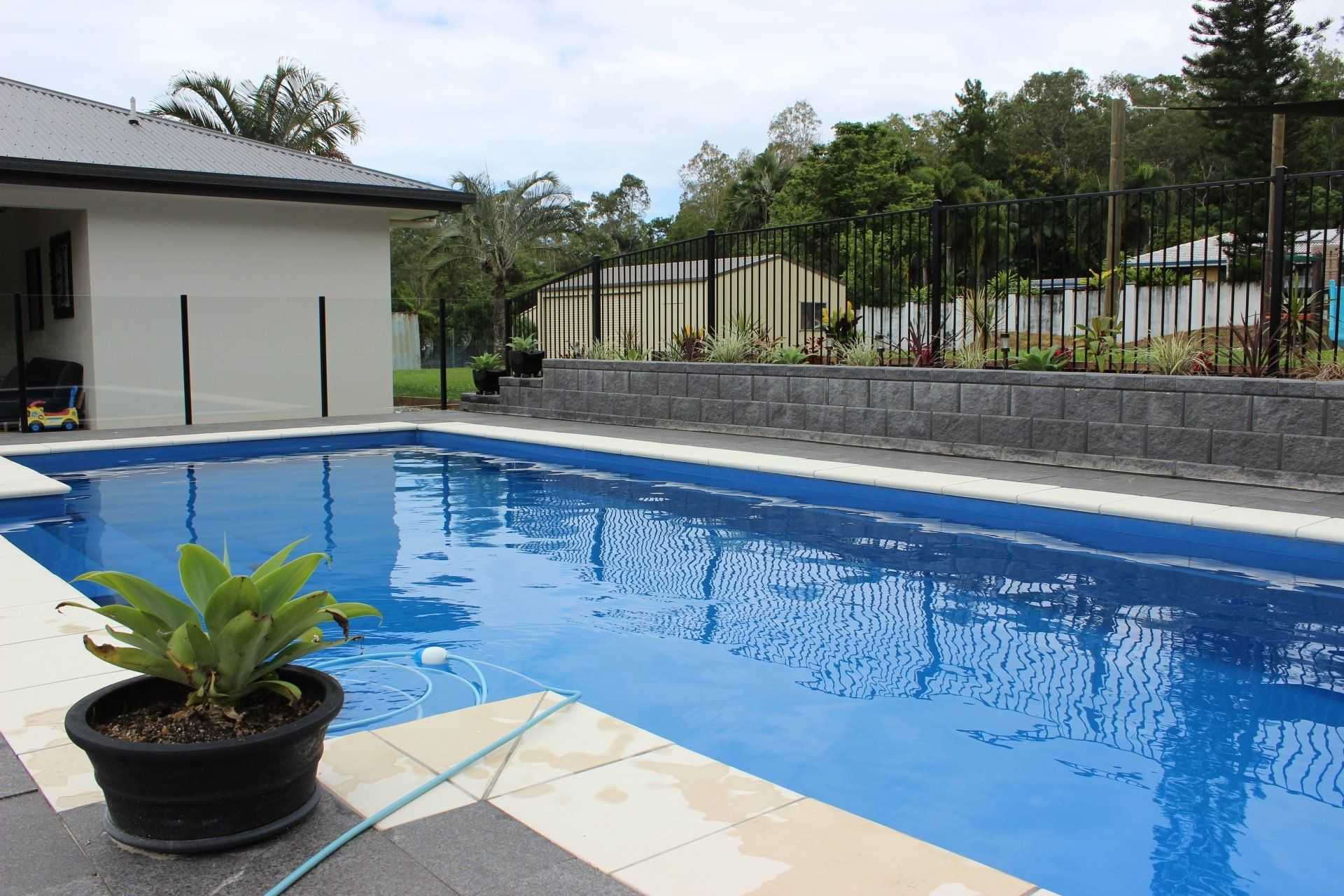
If heat is your main concern, natural stone like travertine stays cooler on scorching days. If you would rather not think about maintenance, porcelain handles pool chemicals and sun exposure without needing much attention. Both work, but for different reasons.
Can I use natural stone on my driveway?
Granite and bluestone handle vehicle weight without issue. Other types like sandstone and some limestones can crack, so check with us about suitability before you go ahead with a particular stone.
Why the price difference between natural and manufactured?
Getting stone out of the ground in places like Turkey or India and shipping it to Adelaide costs real money. Manufacturing concrete locally avoids most of that expense, which is reflected in the price.
What natural stone sells best in Adelaide?
Travertine and limestone account for most of what we sell. The warm tones suit local homes, they stay comfortable in summer, and there are enough colour options to match most exteriors. Bluestone tends to dominate the driveway market.
Is mixing natural and manufactured pavers a good idea?
Plenty of people do this successfully. Using natural stone for high-visibility areas like pool coping or an entrance path, then manufactured pavers for larger surrounding areas, gives you the premium look where it matters while keeping costs under control.